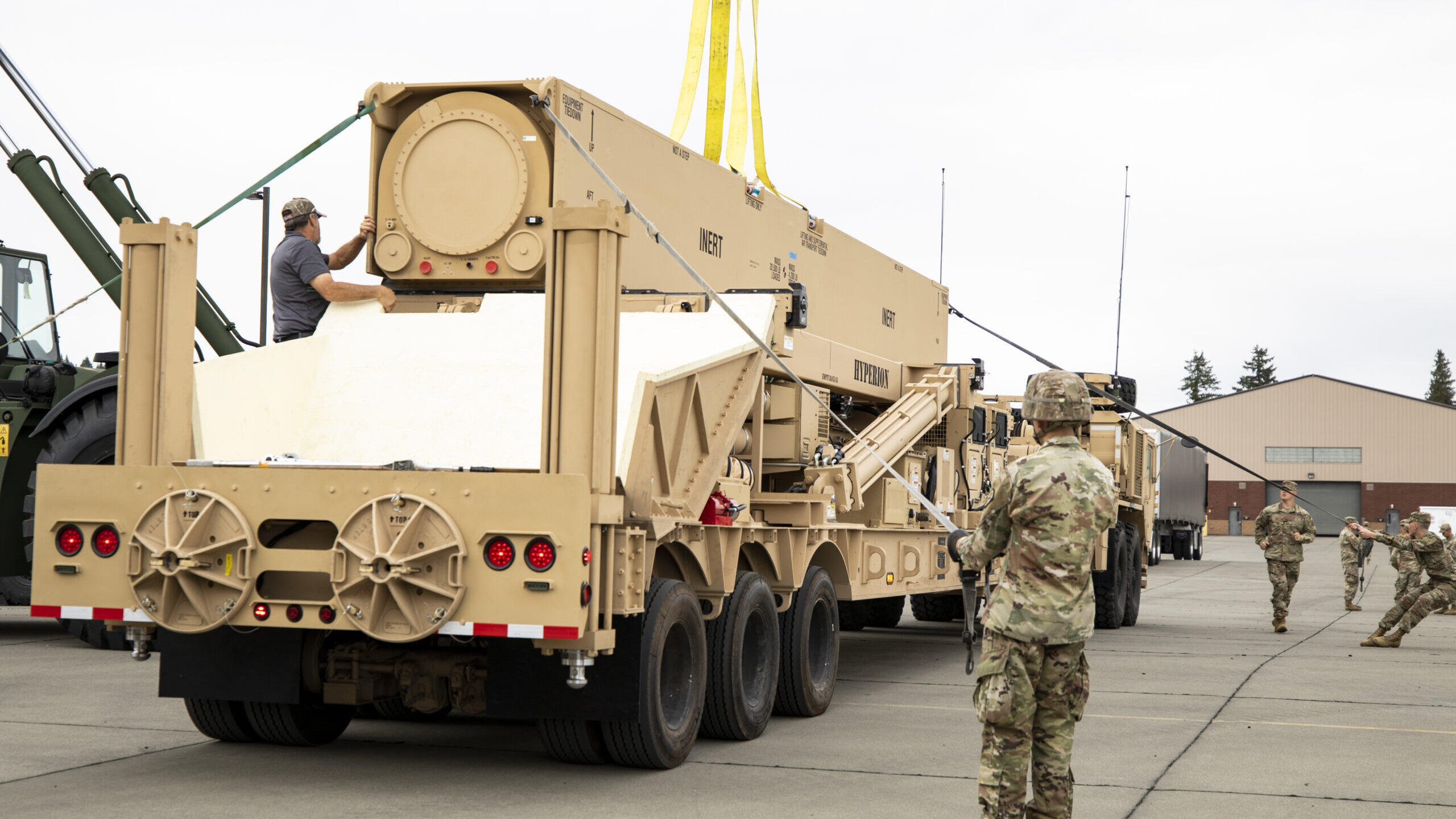
Here’s the Army’s 24 programs in soldiers’ hands by 2023
The Army boasts that about two-thirds of its modernization priority programs will be in various stages of prototyping by fiscal 2023.
The Army boasts that about two-thirds of its modernization priority programs will be in various stages of prototyping by fiscal 2023.
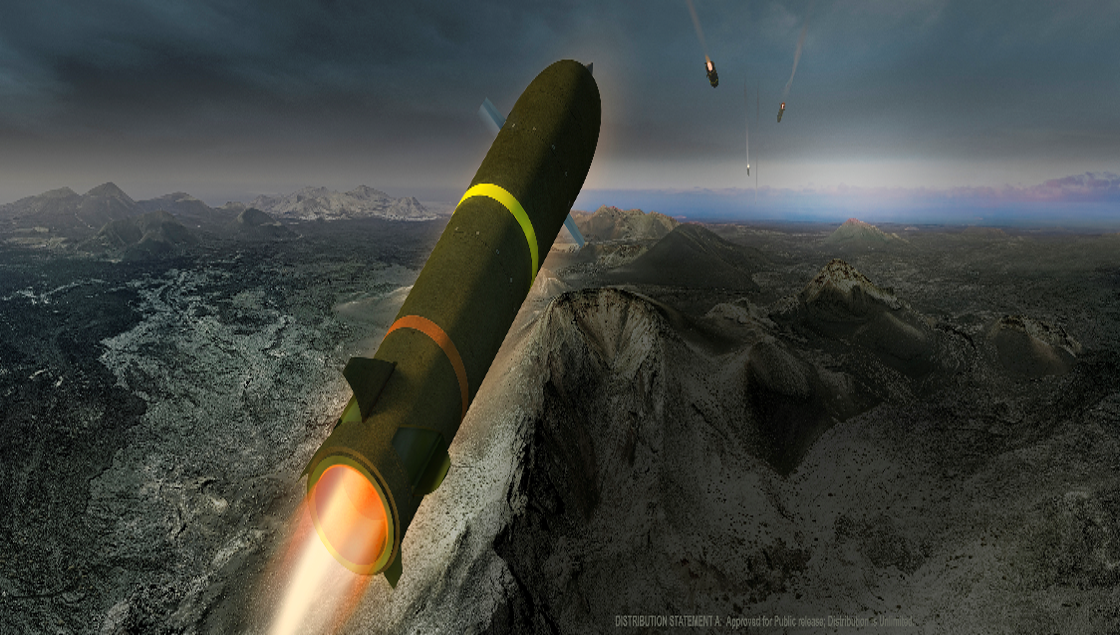
"The farther it flies, the faster it flies, because it's scooping up more oxygen, and that also helps you to avoid detection," a Boeing executive said of the Ramjet design.

AI is reshaping the Army’s approach to cyber, electronic warfare and command and control. At TechNet Augusta 2026, leaders outlined how they’re turning emerging technology into capabilities for the battlefield.

Lockheed Martin received $62 million for the engineering phase of PrSM following a successful milestone B evaluation.
Five small businesses won SBIR Phase II awards to build robotic arms to handle shells, software to manage ammo inventory, and other prototype technologies.
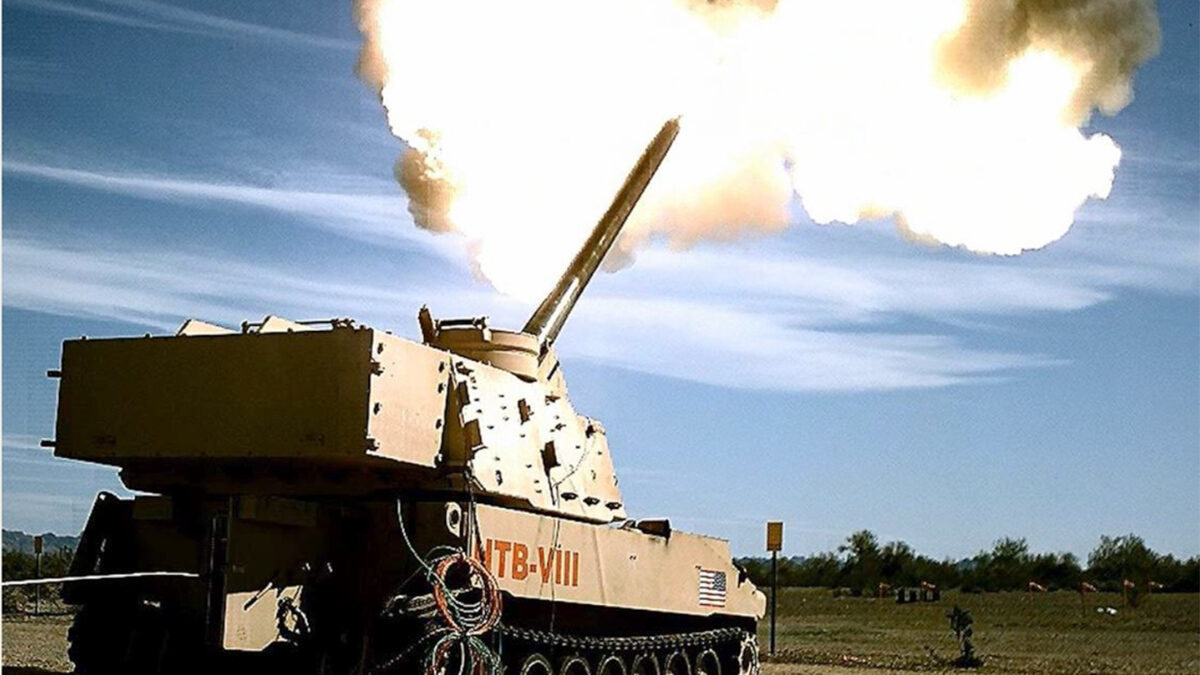
PrSM is preparing for its first 300-plus-mile flight test this year, while the ERCA cannon and hypersonic LRHW head for key tests in 2023.
“In my career, certainly this is the most amount of modernization I’ve seen,” Brig. Gen. Brian Gibson says. Can multiple Army programs make their 2023 deadline?

APKWS® laser‑guidance kit provides reliable precision‑guided munitions across missions and platforms, delivered quickly to meet evolving operational demands.
The Army is testing the MPF light tank; evaluating concepts for the OMFV troop carrier; preparing for major tests of high-tech Robotic Combat Vehicles and workhorse Armored Multi-Purpose Vehicles in 2022; and will test a full battalion of 18 ERCA howitzers in 2023.

Weapons from hypersonics to howitzers have key deadlines to meet next year to keep to the Army’s ambitious timeline, Lt. Gen. Neil Thurgood and Brig. Gen. John Rafferty tell Breaking Defense.
Next fall, the Army aims to test a new artificial intelligence for artillery and fire the prototype PrSM missile to its full 300-plus-mile range -- once they find a venue that's big enough.

Meant to target Chinese warships and Russia’s rear bases, the new intermediate-range missile will fill the gap between the 500+ km PrSM and the Long-Range Hypersonic Weapon.


One commander, many robots: Fully autonomous ground vehicles are reshaping the battlefield.
The military services are working together on how to use long-range, land-based missiles to destroy enemy anti-aircraft defenses, says the director of artillery modernization at Army Futures Command.
The brand new missile seeker can home in on radio and radar, which means it can also target anti-aircraft defenses – blasting a path through them for US airpower.
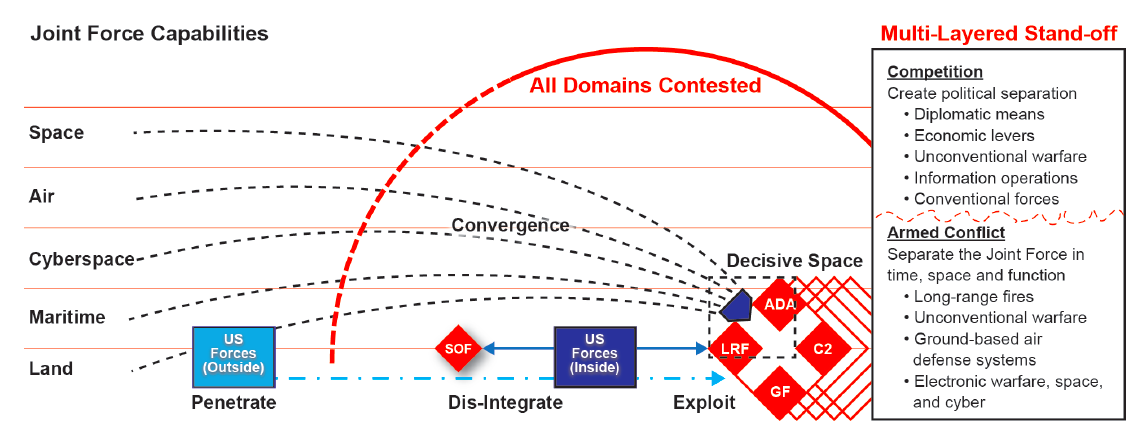
This fall’s experiment will study how the Army’s own weapons can share target data, Gen. Murray said, but in 2021 he wants to add the Air Force’s ABMS network.

The Army wants to do a tech demonstration in the southwestern desert – COVID permitting – of how the new weapons systems it’s developing can share data.